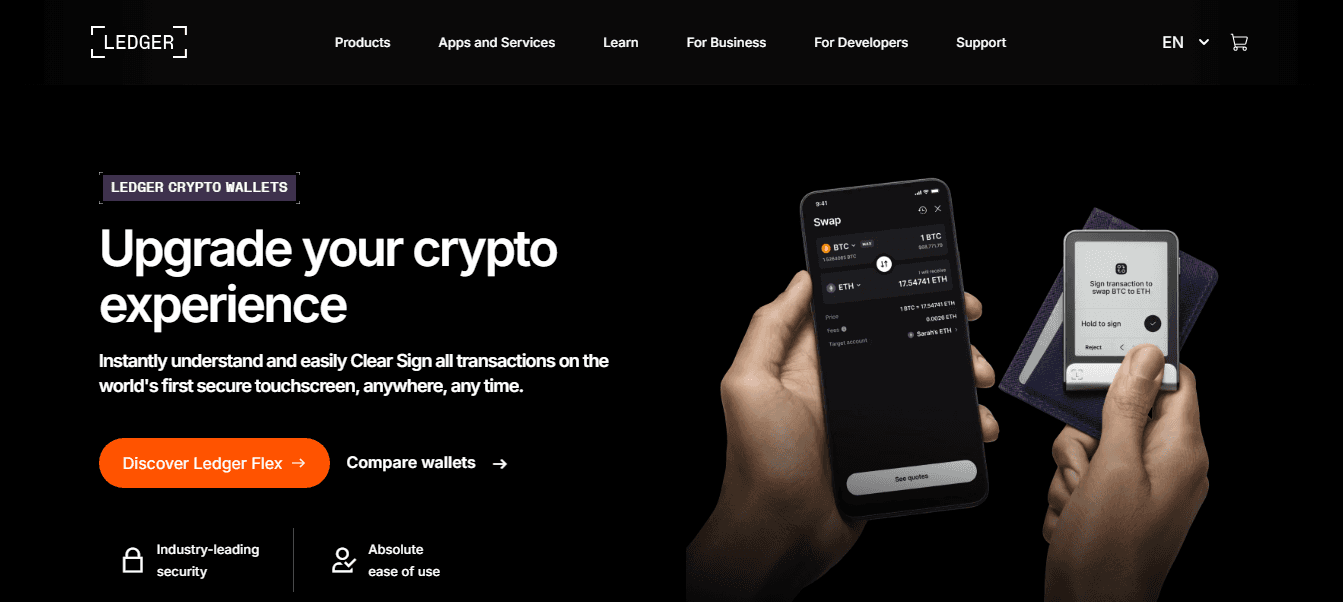
Ledger Login: A Complete New 1200-Word Explanation
In the world of digital technology, the idea of protecting information has become more important than ever. One company that focuses heavily on security within the blockchain environment is Ledger. Although cryptocurrency platforms and hardware wallets are tools designed for adults, understanding the Ledger login process can help young learners explore how modern authentication systems operate. This guide presents a completely new perspective on Ledger login—what it is, why it’s structured the way it is, and how it reflects advanced cybersecurity practices.
1. What Makes Ledger Login Different from Standard Logins
Most online platforms ask for a username and password. Ledger, however, follows a completely different model. Instead of creating an online account, Ledger login revolves around the idea of local authentication using a physical device.
When someone “logs in” to Ledger Live—the application that accompanies the hardware wallet—they aren’t entering personal information or cloud credentials. Instead, they connect a Ledger device and unlock it with a PIN. The hardware wallet becomes the login method.
This approach is often called device-based authentication, and it is becoming more common in many tech fields. It reduces the risks associated with storing passwords online and protects sensitive data from cyberattacks.
2. The Three Pillars of Ledger Login
Ledger login relies on three key elements working together:
1. The Ledger Hardware Wallet
This small device stores cryptographic keys in an offline, secure environment. It is designed to resist tampering and unauthorized access.
2. Ledger Live Application
Ledger Live is the software interface that allows users to view information, manage settings, and interact with different blockchain networks. The app itself does not hold private keys—it only connects with the device.
3. The PIN Code
The device is locked behind a PIN that only the user knows. This PIN ensures that even if the device is stolen, it cannot be accessed without the correct code.
These three components replace the traditional username-password login method.
3. How Ledger Login Works: A Fresh Step-by-Step Walkthrough
To understand Ledger login, it helps to imagine the process from start to finish. Below is a newly written, simplified explanation of the steps:
Step 1: Launching Ledger Live
A user begins by opening Ledger Live on their computer or mobile. At this stage, the app is only partially functional until the hardware wallet is connected.
Step 2: Connecting the Device
The user plugs in their Ledger device or uses Bluetooth, depending on the model. Ledger Live then attempts to communicate with the device using secure channels.
Step 3: Unlocking Using the PIN
The device displays a PIN entry screen. The PIN must be typed directly on the hardware wallet, not on the computer. This ensures that keyloggers or malware cannot steal the PIN.
Step 4: Authenticating the Hardware Wallet
Ledger Live checks whether the connected device is legitimate. Ledger devices are built with secure elements that support cryptographic signatures, allowing the software to verify authenticity.
Step 5: Accessing the Dashboard
Once verification is successful, Ledger Live loads the portfolio, installed apps, and settings. However, even after login, any important action must still be confirmed on the hardware device.
This multi-stage login system demonstrates a modern and secure approach to digital access control.
4. Why Ledger Login Avoids Online Accounts
One of the most notable features of Ledger login is that it does not depend on cloud-based credentials. There are several reasons behind this design choice:
A. Reduced Attack Surface
When a company does not store passwords or account information, hackers have nothing to target in large-scale data breaches.
B. Total Control Remains with the User
Because the authentication device is physically in the user’s possession, access cannot be granted remotely by accident or through phishing.
C. Offline Security
Private keys are not stored on servers or even on the user’s computer. They remain locked inside the secure element of the hardware wallet.
D. No Reliance on Emails or Password Resets
Since there are no online accounts, users don’t have to deal with password recovery, verification emails, or account compromise.
This model reflects a growing trend toward self-custody authentication, which is becoming more common in cybersecurity.
5. Technical Concepts Behind Ledger Login
Ledger login is built on several technical ideas that help enhance its security:
1. Secure Element Technology
Ledger uses a secure chip similar to those found in biometric passports or protected identification cards. These chips are extremely hard to clone or tamper with.
2. On-Device PIN Entry
By entering the PIN on the device instead of a computer, users avoid many common types of cyberattacks.
3. Cryptographic Verification
Every Ledger device has embedded cryptographic material that allows Ledger Live to confirm it is genuine.
4. No Exposure of Private Keys
Even after login, private keys remain hidden within the device. Ledger Live only receives the information required to display balances or prepare transactions.
5. Mandatory Physical Confirmation
Any sensitive operation requires pressing buttons on the device, ensuring the user is physically present.
These concepts form the backbone of Ledger’s login design.
6. Challenges Users May Encounter During Ledger Login
Although Ledger login is secure, adults using Ledger may face challenges that are helpful to understand from a technical learning perspective:
A. Device Not Detected
This may happen if:
the USB cable is damaged
drivers are outdated
Ledger Live needs an update
the device is not fully unlocked
B. PIN Entry Mistakes
Entering the wrong PIN repeatedly causes the device to reset. This is a protective measure to prevent unauthorized access.
C. Incomplete Firmware Updates
If the device or Ledger Live is not updated properly, communication issues can occur.
D. Bluetooth Interference
For wireless models, environmental interference can affect the connection.
Learning how these issues arise teaches valuable lessons about how hardware and software communicate.
7. What Ledger Login Teaches About Cybersecurity
Even without using crypto platforms, students can learn valuable cybersecurity lessons from Ledger’s login system:
1. Physical Devices Can Strengthen Digital Security
When authentication depends on hardware possession, attackers have a much harder time breaking in.
2. Offline Storage Reduces Risk
Keeping sensitive data disconnected from the internet lessens exposure to online threats.
3. Multi-Layer Protection Is More Effective
Ledger’s combination of PIN, secure chip, physical access, and cryptographic verification shows that security grows stronger when layers are added.
4. User Awareness Matters
Even the most secure systems require the user to handle devices responsibly and recognize potential threats.
5. Firmware and Software Updates Are Essential
Security systems improve over time, and updates help fix vulnerabilities.
Ledger’s login flow serves as a practical example of how modern security architecture operates.
8. Ledger Login in the Bigger Landscape of Authentication Systems
Ledger’s approach aligns with several emerging security trends:
Hardware security keys used by major email providers
Biometric authentication on phones and laptops
Two-factor physical keys for high-security systems
Chip-based ID verification in passports and national IDs
By studying Ledger’s login model, learners can grasp how authentication is evolving beyond passwords.
9. Conclusion
Ledger login represents a thoughtful shift away from password-based access systems. Instead of relying on cloud accounts, Ledger requires users to authenticate with a physical device unlocked by a PIN and verified through cryptographic processes. This creates a strong, layered security environment that protects sensitive information while reducing exposure to common cyber threats.
For students and young learners, Ledger login offers a useful window into the world of cybersecurity. It demonstrates principles like offline key storage, hardware verification, encryption, and user-presence requirements. Even though cryptocurrency tools are for adults, the technology behind Ledger login serves as an excellent educational model for understanding how high-security systems are built.