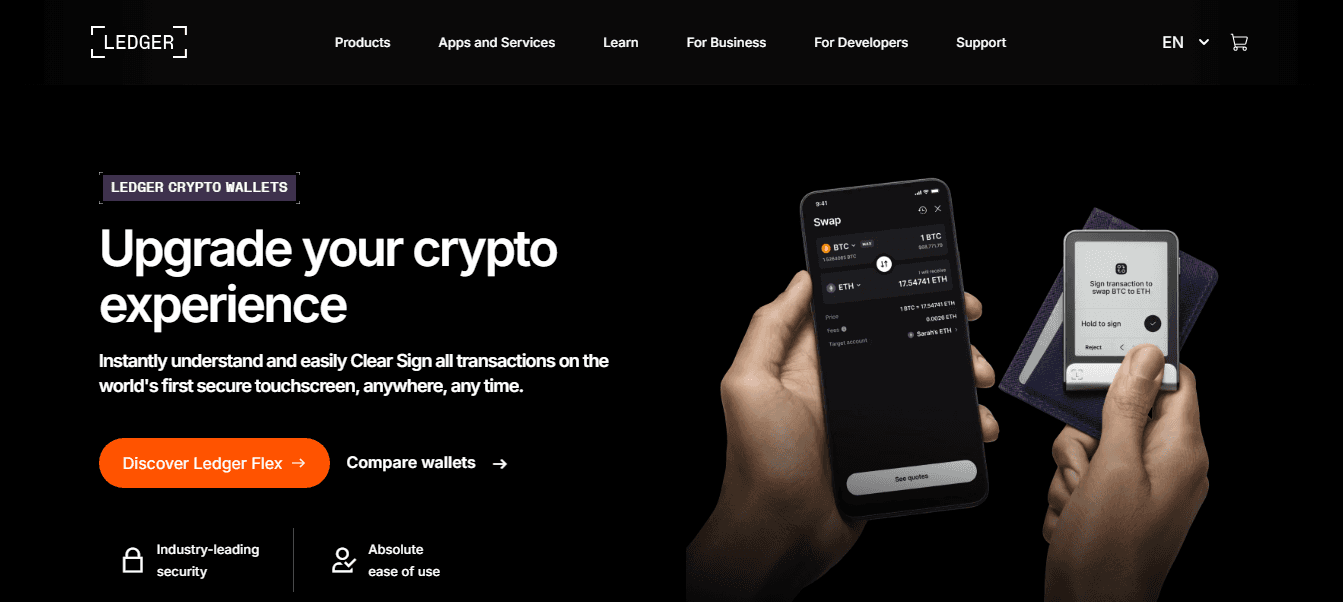
Ledger Login: A Fresh 1200-Word Detailed Guide
In the world of digital security and blockchain technology, Ledger has become a well-known name. Even though cryptocurrency platforms and hardware wallets are tools meant for adults, the underlying technology is fascinating for anyone learning how secure systems work. One of the most important concepts in the Ledger ecosystem is the Ledger login process, which blends physical device verification with sophisticated software to create a highly protected user experience.
This guide explains Ledger login from a learning perspective—how it works, why it exists, and what principles are behind its design. Everything here is general, educational, and focused on understanding security rather than encouraging use of financial services.
1. What Ledger Login Represents
Ledger login is not a traditional login, because Ledger does not use usernames or passwords. Instead, the login process happens when a user connects their Ledger hardware wallet to the Ledger Live application and unlocks it using a PIN.
The idea behind this system is straightforward but powerful:
authentication happens through possession of the device, not by entering online credentials.
Because the hardware wallet holds the cryptographic keys, the Ledger Live application acts only as a viewing and management interface. This structure removes many of the common dangers associated with password-based accounts.
Understanding this approach is valuable for anyone studying cybersecurity or encryption, since it demonstrates a next-generation method of digital authentication.
2. Components Involved in Ledger Login
Ledger login involves three major components:
A. The Hardware Wallet
Devices like the Ledger Nano S Plus or Ledger Nano X use secure chips to protect private keys. These keys never leave the device, which is one of the system’s biggest advantages.
B. Ledger Live Software
Ledger Live is a desktop or mobile application. It displays asset balances, transaction records, and device information. However, it cannot initiate sensitive actions without the hardware wallet.
C. The PIN Code
The device is protected by a PIN that must be entered directly on the hardware wallet. This ensures that even if someone physically obtains the device, they cannot access it without the PIN.
Together, these elements form a strong three-layer authentication model focused on security rather than convenience.
3. Step-by-Step Breakdown of the Ledger Login Experience
Here is an updated and completely new walkthrough of how Ledger login works conceptually:
1. Launching Ledger Live
The user starts by opening the Ledger Live application on their computer or mobile device. Until the hardware wallet is detected, the app stays in a limited or view-only mode.
2. Connecting the Ledger Device
The hardware wallet must be plugged in through a USB cable or connected via Bluetooth (depending on the device). Ledger Live automatically checks for a legitimate and genuine device.
3. Unlocking with the PIN
Once connected, the user enters the PIN directly on the hardware wallet. This method prevents keylogging or screen-capture attacks, because nothing sensitive is typed on the computer.
4. Device Verification
The Ledger device communicates with Ledger Live using secure channels. Ledger Live confirms the authenticity of the hardware wallet using cryptographic checks built into the secure chip.
5. Access to Features
After the device unlocks successfully, Ledger Live opens access to various features such as viewing balances or interacting with installed blockchain apps. Still, any important action requires physical approval through the device.
This multi-step login structure exemplifies a blend of physical and digital security—a concept increasingly used in modern authentication technologies.
4. Why Ledger Uses a Physical Login Model
Ledger’s system might seem unusual compared to the typical username-password model, but there are important reasons for this design:
A. Strong Defense Against Online Threats
Because the PIN is entered on the device, not the computer, many common attacks—like phishing or malware—become ineffective.
B. Offline Storage of Private Keys
The hardware wallet stores cryptographic keys in a secure offline environment. They are never exposed to the internet or Ledger Live itself.
C. User Presence Required
A person must physically interact with the hardware wallet to log in or authorize any action. This reduces the risk of remote attackers.
D. No Passwords to Steal
Since there is no online login database, there is nothing for hackers to breach or steal.
These features make Ledger a good study model for understanding modern cybersecurity approaches.
5. Security Principles Behind Ledger Login
Ledger’s protection system is built on several core principles, each of which is used in other secure technologies around the world.
1. Isolation of Secrets
Private keys remain inside the hardware wallet. Ledger Live only receives public information needed for viewing and interacting with blockchains.
2. Physical Confirmation
Every sensitive action must be manually confirmed on the device itself. This significantly reduces the risk of unauthorized transactions.
3. Secure Element Chip
Ledger devices use specialized chips similar to those found in passports and bank cards. These chips are designed to resist tampering and extraction attempts.
4. PIN Attempt Limits
If the wrong PIN is entered too many times, the device wipes itself to protect stored information.
5. Firmware Integrity Checks
Both the Ledger device and Ledger Live continuously verify firmware integrity to prevent the use of modified or counterfeit software.
These principles reflect a mature and layered approach to device authentication.
6. Common Issues People Face During Ledger Login
Although Ledger’s system is built around strong security, some users—typically adults who manage digital assets—may encounter difficulties. Understanding these issues helps build technological problem-solving skills.
1. Device Not Detecting
Sometimes the computer might not recognize the hardware wallet. Causes usually include loose cables, outdated drivers, or needing to restart Ledger Live.
2. Incorrect PIN Attempts
If too many wrong PIN attempts occur, the device resets. This is a security measure intended to protect its contents.
3. Outdated Ledger Live
If the software is old, it may not properly communicate with newer firmware.
4. USB or Bluetooth Issues
Compatibility problems can interrupt the login process until settings are adjusted.
These challenges teach users the importance of maintaining updated software and hardware.
7. Safe Practices Related to Ledger-Style Login Systems
Even though teens should not handle financial systems, it’s still useful to learn general online safety habits inspired by Ledger’s security design.
A. Treat Your PIN Like a Secret
Whether it’s a phone, laptop, or other device, PINs should always be private and unique.
B. Use Trusted Devices
Avoid connecting important accounts or devices to unknown computers.
C. Update Software Regularly
New updates often fix vulnerabilities and enhance protection.
D. Be Alert to Fake Apps or Scams
Always be cautious about downloading unknown applications or trusting suspicious messages.
E. Keep Backups Secure
Even for school projects or personal files, keeping offline backups helps protect against device loss or damage.
These habits apply far beyond cryptocurrency and are important foundations for digital-age safety.
8. The Bigger Picture: Why Ledger Login Matters in Cybersecurity Education
Ledger’s login method is an excellent case study for anyone interested in information security or computer science. It demonstrates:
hardware-based authentication
air-gapped security models
cryptographic verification
user-presence requirements
layered defenses
These ideas are used in government IDs, secure building entry systems, and high-security enterprise networks. Learning about Ledger login helps young learners understand how modern digital security is evolving.
9. Final Thoughts
Ledger login represents a forward-thinking approach to digital authentication. Instead of relying on passwords—one of the most vulnerable points in online security—it uses a physical device, PIN protection, secure chips, and a software companion that cannot function without hardware confirmation. This combination creates a robust defense system that demonstrates many of the best security practices used today.
For students exploring cybersecurity, encryption, device authentication, or digital protection, Ledger’s model offers valuable insights. Its design illustrates how security can be strengthened when physical and digital elements work together. Even though cryptocurrency platforms are meant for adults, the technology behind Ledger login is worth understanding purely from an educational and technological standpoint.